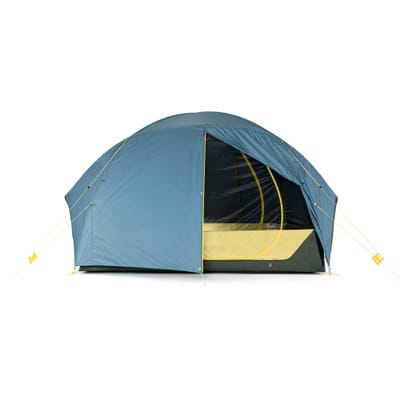
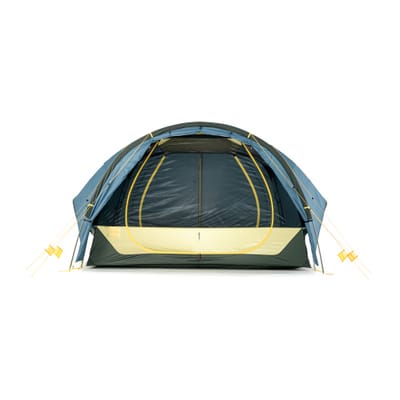
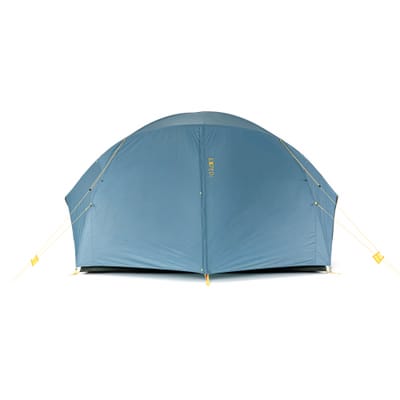
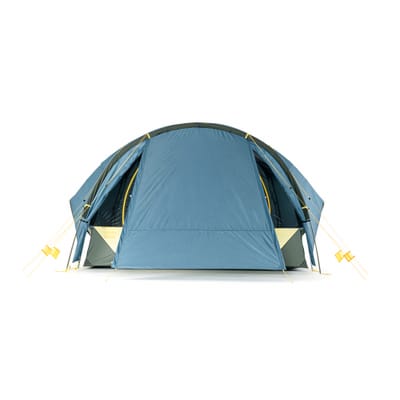
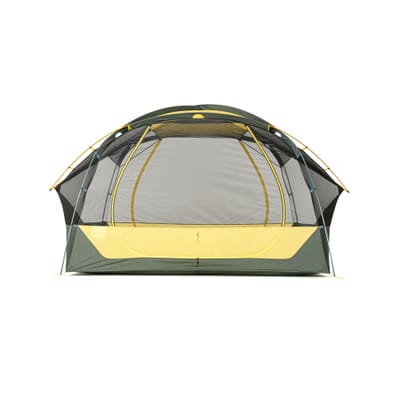
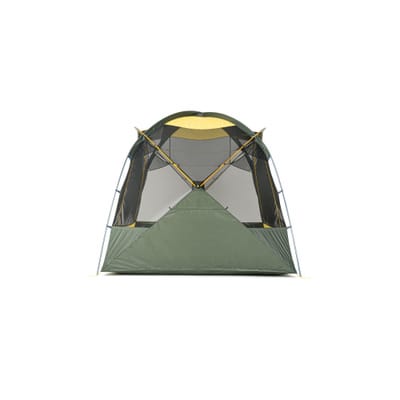
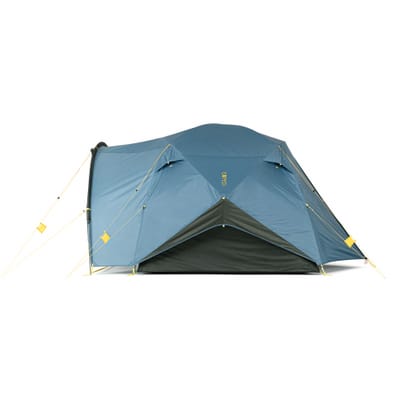
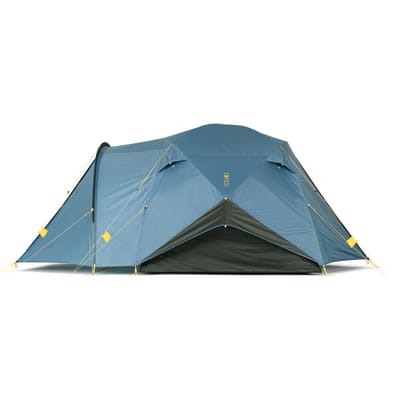
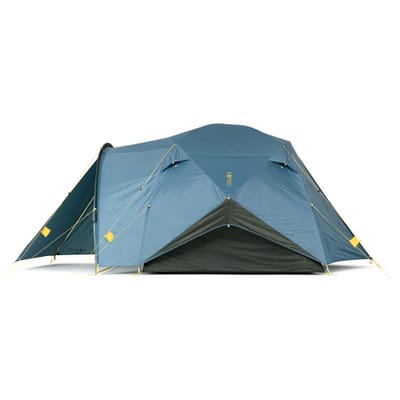
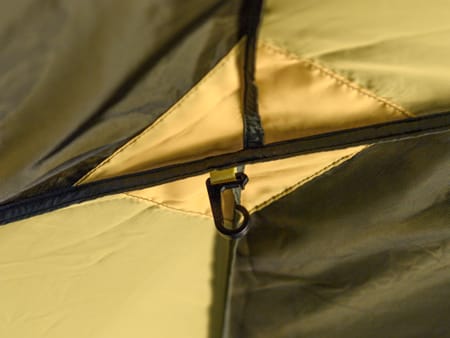
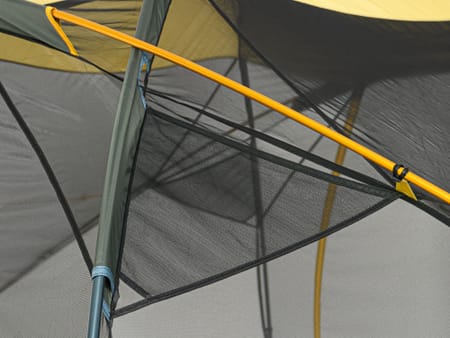
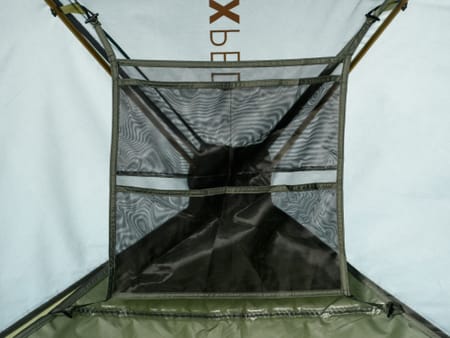
Canopy and rainfly Accessory bag with tent pole(s) V-Pegs (18 pieces) Repair splint Packsack
Fly
68 D taffeta polyester PU coated seam taped
Canopy
68 D taffeta polyester 40 D No-See-Um mosquito mesh
Floor
68 D taffeta polyester PU coated 5000 mm water column seam taped
Poles
14.5/13/11 mm 6061/7000 aluminium acid-free green anodizing
Climate protection with myclimate
Since 2021, EXPED has been supporting certified myclimate climate protection projects through a financial contribution. Together with the nonprofit organization, we have calculated the carbon footprint of all our products and our operations at our Zurich location. Our annual contribution is based on this calculation - but it does not change the carbon footprint itself.
All EXPED textile products are made without intentionally added PFAS since 2025. We work closely with suppliers and perform independent tests to ensure our products contain zero PFAS.
5 years years on defects in materials and workmanship
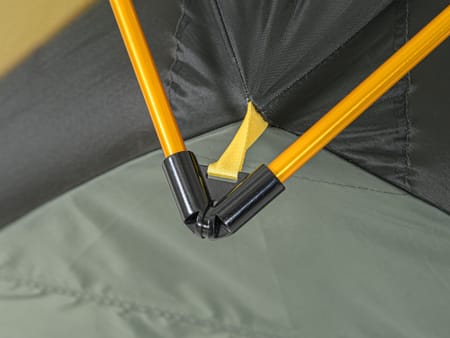
If you are on the road, you can easily repair the tent pole by using the included repair sleeve. On most of our tents you will find this as a spacer by the ventilation hoods. The only exceptions are the HL and UL tents. There you will find the repair sleeve with the other accessories in the pack sack.
To make the repair in the field, slide the sleeve over the broken section of the pole and tape it in place. When you return from your trip, you can bring the pole back for repair.
When you return from your trip, whether it's a weekend or several weeks, it's a good idea to put your tent up again in a dry place so it can dry out. Be sure to clean the interior, wipe off any dirt that has stuck to the underside, and clean all zippers with a damp, warm rag. If the tent has been used in dirty and/or sandy conditions, you can lightly spray it with water to loosen the dirt from the material, coating, seams and zippers.
Although it cannot always be prevented, there are several ways to reduce or eliminate the formation of condensation.
1. reduce or remove as much wet equipment as possible from inside the tent.
2. ventilate the tent when conditions permit.
3. use the appropriate tent floor (footprint) to create a barrier against the cold, wet ground.
4. use a small sponge to wipe off condensation.
Unfortunately, condensation cannot be completely eliminated from a tent design. Cool air must flow into the tent and warm air must be able to escape. If this is not possible, condensation will form. Whenever possible, ventilate the tent, either by opening a vent in the top of the flysheet or leaving the flysheet open all night. The goal is to create a cross flow that ventilates the tent and removes the warm air.